{{ tr.heroBadge }}
{{ tr.heroT1 }}
{{ tr.heroMid }} {{ tr.heroAccent }}
{{ tr.heroSub }}
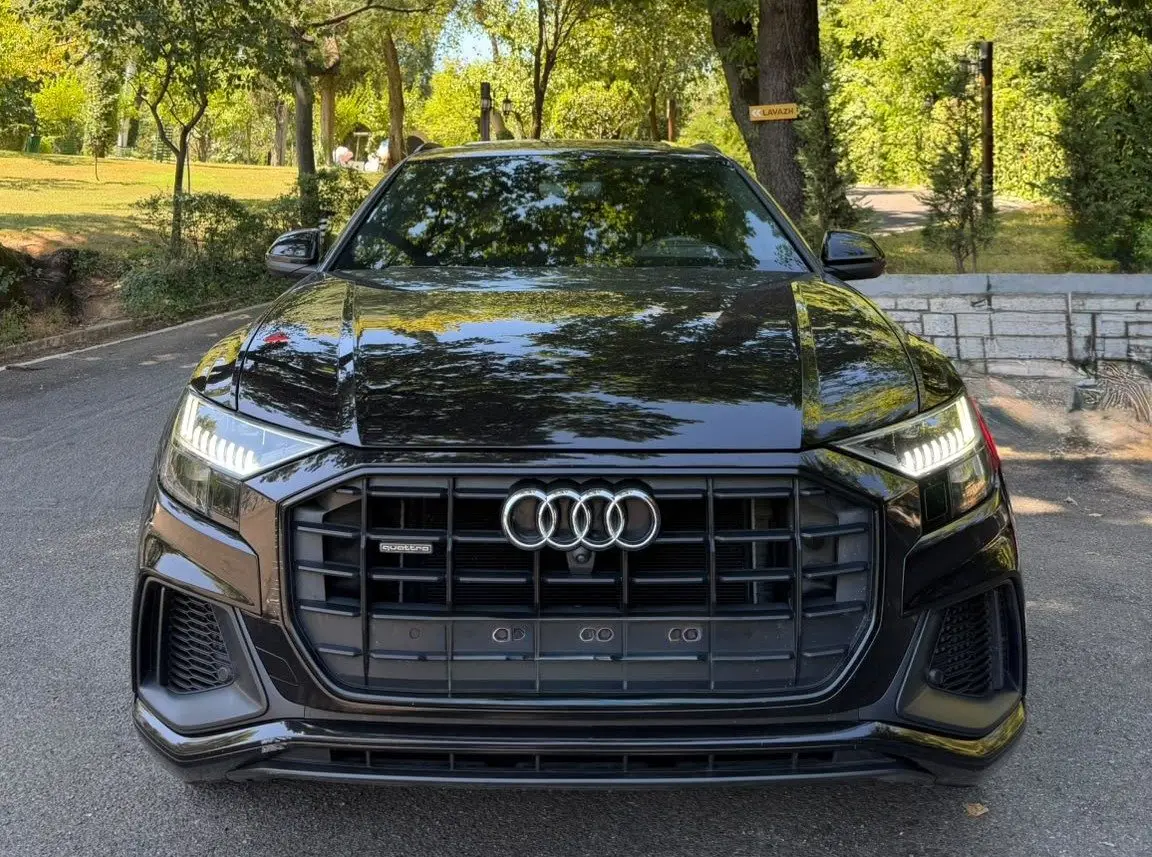
{{ tr.heroTagTop }}
{{ tr.heroTagBig }}
{{ tr.heroWaiting }}
{{ tr.heroWaitingSub }}
{{ minRentalNote }}
{{ tr.whyKicker }}
{{ tr.whyTitle }}
{{ p.n }}
{{ p.t }}
{{ p.d }}
{{ tr.revKicker }}
{{ tr.revTitle }}
{{ tr.revNone }}
{{ rv.stars }}
“{{ rv.text }}”
{{ tr.goodToKnow }}
{{ g.label }} — {{ g.text }}
{{ tr.cKicker }}
{{ tr.cTitle }}
{{ tr.cEmail }}
toncerentalcars@gmail.com
{{ cAirportLabel }}
Tirana International Airport "Nënë Tereza"
{{ tr.cAirportSub }}
{{ tr.cBusiness }}
{{ br.label }}
{{ br.value }}
{{ tr.cMapNote }}
{{ tr.cDelivery }}
{{ z.name }}
{{ z.price }}


{{ tr.legalKicker }}
{{ tr.legalTitle }}
{{ tr.termsTitle }}
{{ tm.label }} — {{ tm.text }}
{{ tr.privacyTitle }}
{{ pv.text }}
{{ tr.privacyNote }}
{{ loc.kicker }}
{{ loc.title }}
{{ loc.intro }}
{{ tr.locHow }}
{{ st.n }}
{{ st.t }}
{{ st.d }}
{{ tr.locOther }}
{{ tr.fleetKicker }}
{{ guide.kicker }}
{{ costView.kicker }}
{{ costView.title }}
{{ costView.intro }}
{{ costView.tableTitle }}
| {{ costView.colCar }} | {{ costView.colDay }} | {{ costView.colWeek }} | {{ costView.colMonth }} |
|---|---|---|---|
| {{ cr.name }} | {{ cr.day }} | {{ cr.week }} | {{ cr.month }} |
{{ costView.tableNote }}
{{ costView.exampleTitle }}: {{ costExample }}
{{ costView.extrasTitle }}
{{ cx.t }}
{{ cx.d }}
{{ costView.roadTitle }}
{{ cw.t }}
{{ cw.d }}
{{ costView.faqTitle }}
{{ cq.q }}
{{ cq.a }}
{{ tr.typeStrip }}
{{ typeView.kicker }}
{{ typeView.title }}
{{ typeView.intro }}
{{ tr.heroWhats }}
{{ tr.freeCancelPay }}
{{ tp.t }}
{{ tp.d }}
{{ tr.ltTable }}
| {{ tr.ltCar }} | {{ tr.ltDay }} | {{ ltLongHead }} | {{ tr.ltMonth }} |
|---|---|---|---|
| {{ lr.name }} | {{ lr.day }} | {{ lr.long }} | {{ lr.month }} |
{{ tr.ltNote }}
{{ typeView.carsTitle }}
{{ tr.typeEmpty }} {{ tr.typeSeeAll }} →
{{ tr.faqTitle2 }}
{{ tq.q }}
{{ tq.a }}
{{ tr.typeOther }}
{{ carPage.catLabel }} · {{ carPage.year }}
{{ carPage.name }}
{{ tr.carFrom }}
{{ carPage.priceLabel }}
{{ carPage.wasPrice }}
{{ tr.perDay }}
{{ carPage.discountBadge }}
{{ carPage.tierNote }}
{{ carPage.dep }}
{{ tr.carSpecsTitle }}
{{ tr.freeCancelPay }}
{{ tr.carIncluded }}
{{ ci.t }}
{{ ci.d }}
{{ tr.carDeliver }}
{{ tr.typeStrip }}
{{ tr.carOther }}
{{ guide.kicker }}
{{ guide.title }}
{{ guide.intro }}
{{ gs.h }}
{{ gs.p }}
- {{ gi.b }} {{ gi.t }}
{{ gs.after }}
{{ guide.timesTitle }}
{{ guide.timesNote }}
{{ guide.faqTitle }}
{{ gq.q }}
{{ gq.a }}
{{ tr.carDeliver }}
{{ guide.cta }}